Unique Dessert That Will Impress Your Guests – No-Bake Mango Coconut Panna Cotta
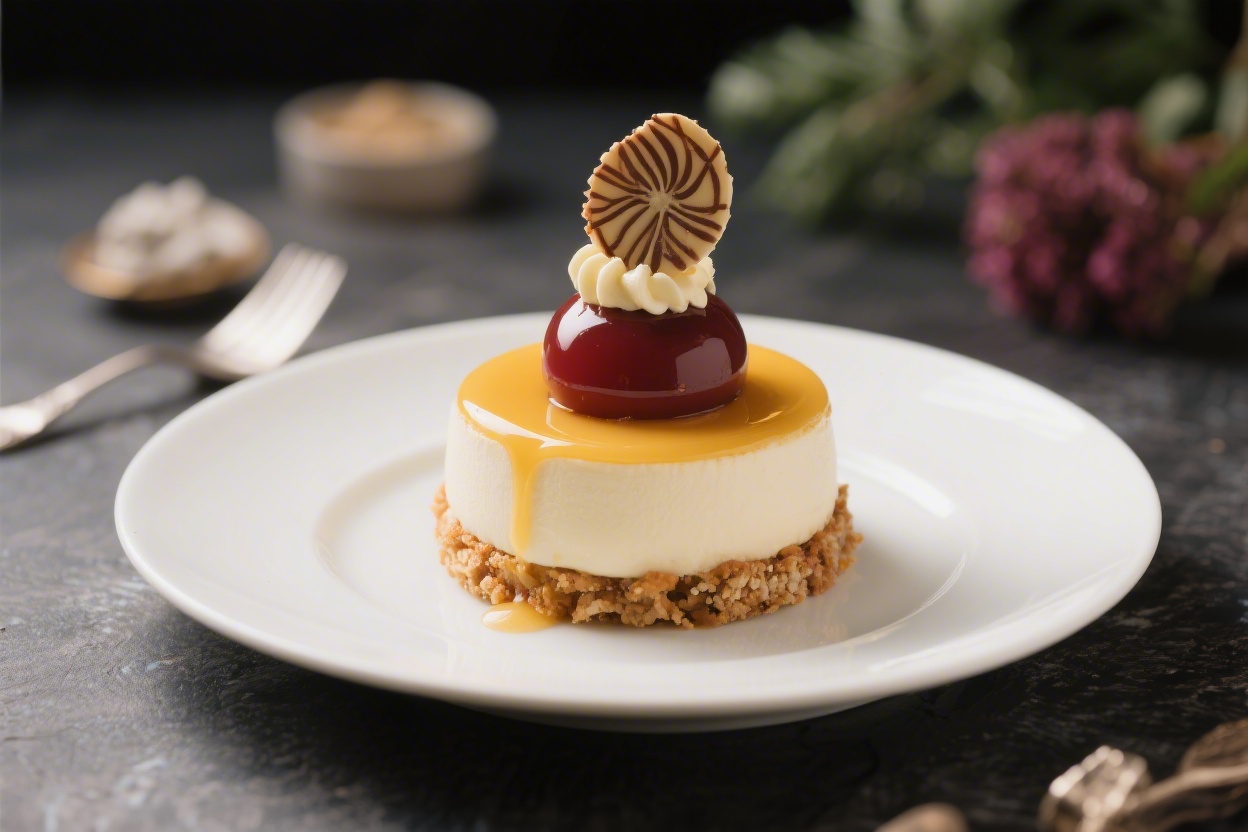
This dessert looks fancy, tastes bright and creamy, and comes together with very little effort. It’s a silky coconut panna cotta topped with a sunny mango layer and a pop of lime. Serve it in glasses and it instantly feels restaurant-worthy.
You don’t need an oven, and you can make it ahead, which is a huge stress-saver when hosting. The flavors are fresh and light, so it’s perfect after a big meal.
Why This Recipe Works
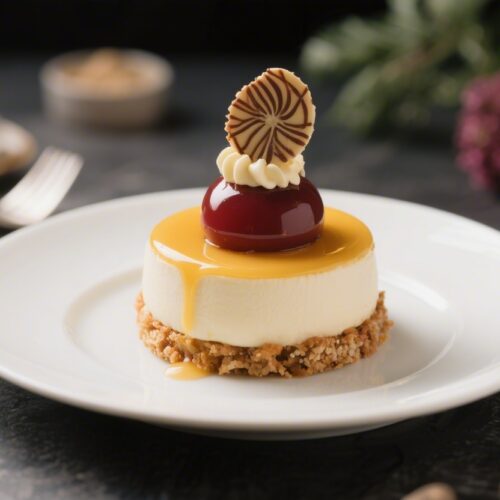
Unique Dessert That Will Impress Your Guests - No-Bake Mango Coconut Panna Cotta
Ingredients
- For the Coconut Panna Cotta:
- 1 can (13.5–14 oz) full-fat coconut milk
- 1/2 cup heavy cream (or more coconut milk for dairy-free)
- 1/4 cup granulated sugar (adjust to taste)
- 1 teaspoon vanilla extract
- 1 packet unflavored gelatin (about 2 1/4 teaspoons)
- 2 tablespoons cold water (for blooming gelatin)
- Pinch of salt
- For the Mango Layer:
- 1 1/2 cups ripe mango puree (from about 2 large mangoes)
- 2–3 tablespoons sugar or honey (to taste)
- 1 tablespoon fresh lime juice
- 1/2 packet unflavored gelatin (about 1 1/8 teaspoons)
- 1 tablespoon cold water (for blooming gelatin)
- For Garnish (optional): Toasted coconut flakes, lime zest, fresh mint, or diced mango
Instructions
- Bloom the gelatin for the panna cotta: In a small bowl, sprinkle the gelatin over 2 tablespoons of cold water. Let stand 5–10 minutes until spongy.
- Warm the coconut base: In a saucepan, combine coconut milk, heavy cream, sugar, vanilla, and a pinch of salt. Heat over medium, stirring, until the sugar dissolves and the mixture is hot but not boiling.
- Dissolve the gelatin: Remove the pan from heat. Stir in the bloomed gelatin until fully melted and smooth.
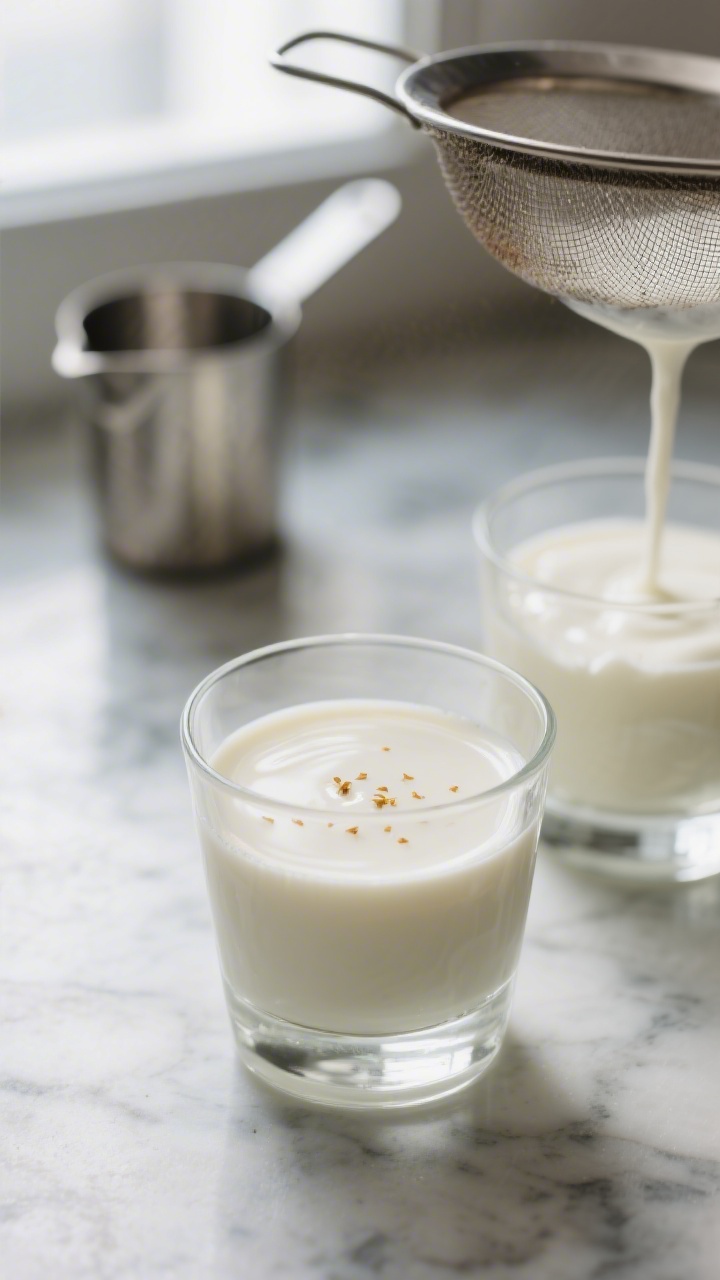
- Strain and pour: For a silky texture, strain the mixture through a fine mesh sieve into a measuring cup with a spout. Pour into 6–8 small glasses, filling each halfway.
- Chill the first layer: Refrigerate 45–60 minutes, or until set but still slightly jiggly in the center. It should be firm enough to support the next layer.
- Make the mango layer: Bloom the second portion of gelatin in 1 tablespoon cold water for 5–10 minutes. Warm half the mango puree with sugar (or honey) over low heat until the sugar dissolves and the mixture is warm, not hot.
- Combine: Remove from heat, stir in the bloomed gelatin until dissolved, then whisk in the remaining mango puree and lime juice. Taste and adjust sweetness or lime.
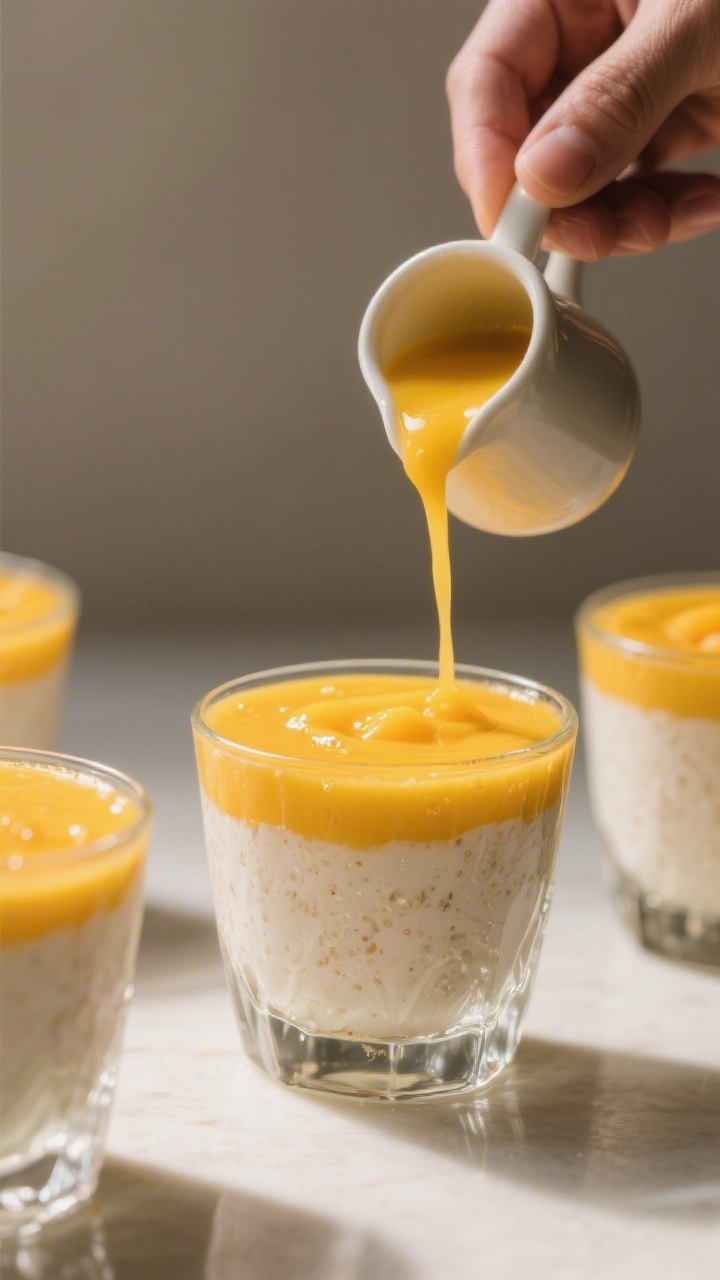
- Add the mango layer: Gently spoon or pour the mango mixture over the set coconut layer. Tap the glasses lightly to release any bubbles.
- Chill to set: Refrigerate at least 2 hours, or until fully set. For best results and easy serving, chill 4 hours or overnight.
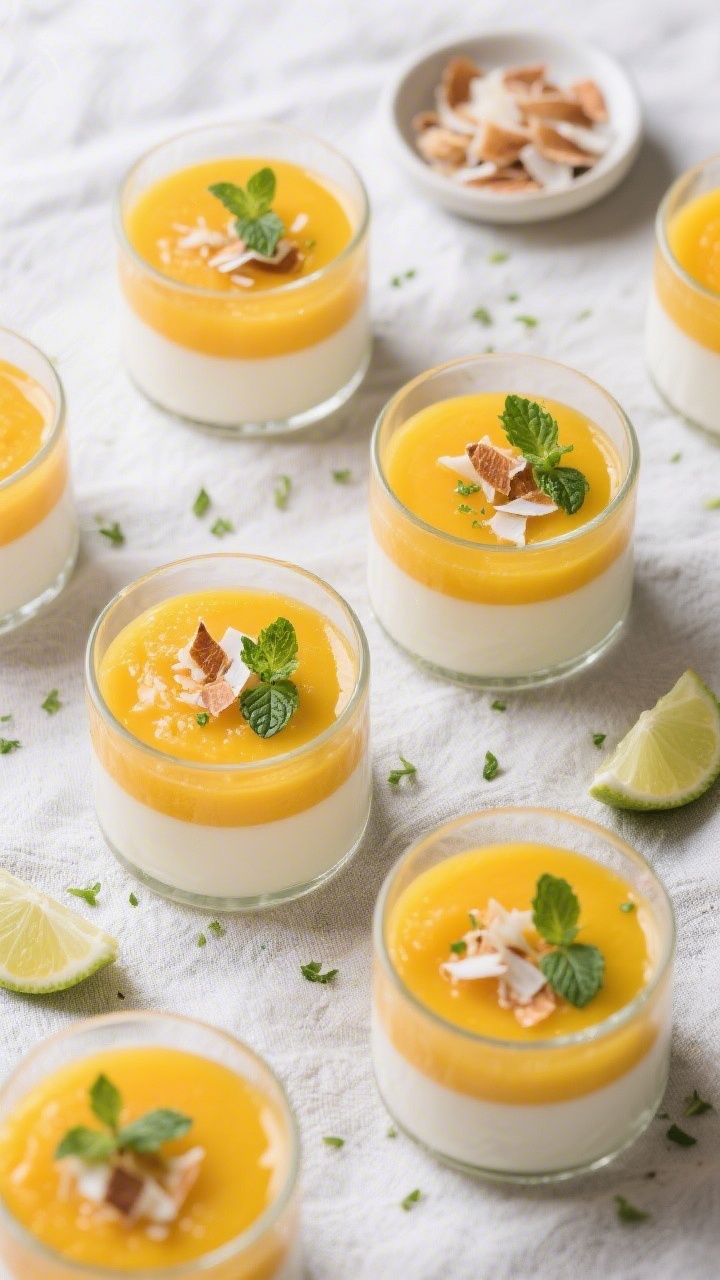
- Garnish and serve: Top with toasted coconut, lime zest, mint, or diced mango just before serving. Serve cold.
- No-bake simplicity: Gelatin sets the panna cotta and the mango layer in the fridge, not the oven.
- Balanced flavors: Creamy coconut pairs with tangy mango and lime, giving sweetness without being heavy.
- Stunning presentation: Clear glasses show two layers and a bright color contrast that looks impressive.
- Make-ahead friendly: Both layers set well and hold their shape, so you can prepare a day in advance.
- Customizable: Swap fruits, sweeteners, or toppings to suit the season or dietary needs.
Ingredients
- For the Coconut Panna Cotta:
- 1 can (13.5–14 oz) full-fat coconut milk
- 1/2 cup heavy cream (or more coconut milk for dairy-free)
- 1/4 cup granulated sugar (adjust to taste)
- 1 teaspoon vanilla extract
- 1 packet unflavored gelatin (about 2 1/4 teaspoons)
- 2 tablespoons cold water (for blooming gelatin)
- Pinch of salt
- For the Mango Layer:
- 1 1/2 cups ripe mango puree (from about 2 large mangoes)
- 2–3 tablespoons sugar or honey (to taste)
- 1 tablespoon fresh lime juice
- 1/2 packet unflavored gelatin (about 1 1/8 teaspoons)
- 1 tablespoon cold water (for blooming gelatin)
- For Garnish (optional): Toasted coconut flakes, lime zest, fresh mint, or diced mango
Instructions
- Bloom the gelatin for the panna cotta: In a small bowl, sprinkle the gelatin over 2 tablespoons of cold water. Let stand 5–10 minutes until spongy.
- Warm the coconut base: In a saucepan, combine coconut milk, heavy cream, sugar, vanilla, and a pinch of salt.Heat over medium, stirring, until the sugar dissolves and the mixture is hot but not boiling.
- Dissolve the gelatin: Remove the pan from heat. Stir in the bloomed gelatin until fully melted and smooth.
- Strain and pour: For a silky texture, strain the mixture through a fine mesh sieve into a measuring cup with a spout. Pour into 6–8 small glasses, filling each halfway.
- Chill the first layer: Refrigerate 45–60 minutes, or until set but still slightly jiggly in the center.It should be firm enough to support the next layer.
- Make the mango layer: Bloom the second portion of gelatin in 1 tablespoon cold water for 5–10 minutes. Warm half the mango puree with sugar (or honey) over low heat until the sugar dissolves and the mixture is warm, not hot.
- Combine: Remove from heat, stir in the bloomed gelatin until dissolved, then whisk in the remaining mango puree and lime juice. Taste and adjust sweetness or lime.
- Add the mango layer: Gently spoon or pour the mango mixture over the set coconut layer.Tap the glasses lightly to release any bubbles.
- Chill to set: Refrigerate at least 2 hours, or until fully set. For best results and easy serving, chill 4 hours or overnight.
- Garnish and serve: Top with toasted coconut, lime zest, mint, or diced mango just before serving. Serve cold.
How to Store
- Refrigerate covered: Keep the glasses covered with plastic wrap for up to 3 days.
- Add garnishes last minute: This keeps textures crisp and colors bright.
- Do not freeze: Gelatin-based desserts can separate and become grainy after freezing.
Benefits of This Recipe
- Low effort, high payoff: Minimal hands-on time with a polished result.
- Light yet satisfying: Coconut creaminess without feeling heavy, with a refreshing fruit finish.
- Flexible for diets: Easy to make dairy-free or refined sugar-free.
- Scalable: Double or halve the recipe without fuss.
Pitfalls to Watch Out For
- Overheating gelatin: Boiling kills its setting power.Warm gently and melt completely off heat.
- Rushing the set: If the first layer isn’t set, layers will blend. Give it time.
- Fruit acidity and enzymes: Fresh pineapple or kiwi can prevent setting. Mango is safe; stick to it or cooked fruits.
- Too much sweetener: Overly sweet layers can taste flat.Balance with lime juice and a pinch of salt.
Recipe Variations
- Passion Fruit Twist: Swap half the mango puree for passion fruit pulp and adjust sugar to taste.
- Dairy-Free: Replace heavy cream with an equal amount of coconut milk for a fully dairy-free dessert.
- Coconut-Lemongrass: Steep crushed lemongrass in the coconut mixture, then strain before adding gelatin.
- Vanilla Bean Upgrade: Use scraped vanilla bean instead of extract for deeper aroma and pretty specks.
- Ginger Mango: Add 1–2 teaspoons grated fresh ginger to the mango mixture while warming, then strain.
Can I use agar-agar instead of gelatin?
Yes. Use agar powder at about 1/3 to 1/2 the amount of gelatin by weight. Simmer agar with the liquid for 1–2 minutes to activate, then proceed.
Note that agar sets more firmly and less creamy, so the texture will be slightly different.
What if my panna cotta doesn’t set?
Common issues include overheated gelatin or incorrect measurements. If it’s still liquid after 6 hours, gently rewarm the mixture, add a small amount of freshly bloomed gelatin, and reset. For the mango layer, make sure the puree is warm enough to dissolve the gelatin fully.
Can I make this in a mold and unmold it?
Yes, but it’s easier in glasses.
If unmolding, lightly oil the molds, set fully overnight, and dip the base in warm water for 10–15 seconds to release. Layering is trickier in molds, so consider a single coconut base with mango coulis on top after unmolding.
How sweet should the mango layer be?
It depends on your fruit. Taste the puree before adding gelatin.
If your mangoes are very sweet, reduce added sugar and keep the lime for brightness. The goal is a fresh, tangy top that contrasts the creamy base.
What type of coconut milk works best?
Use full-fat, good-quality canned coconut milk for a smooth, rich set. Avoid “lite” versions, which can be watery and may separate.
Wrapping Up
This no-bake mango coconut panna cotta looks elegant, tastes bright, and keeps your oven off.
With a silky base and a vibrant fruit layer, it’s the kind of dessert that makes guests think you worked much harder than you did. Prep it the day before, add a quick garnish, and you’re set for stress-free hosting.
Printable Recipe Card
Want just the essential recipe details without scrolling through the article? Get our printable recipe card with just the ingredients and instructions.